February 1st: Brigid of Ireland

Brigid of Kildare

Who is Brigid for us today? We take inspiration from her, and yet we are separated from her life by a millennium and a half. We don’t live in a monastery, or in a way of life intimately tied to the land and its cycling seasons.

In her book Praying with Celtic Holy Women Bridget Mary Meehan writes that “the force of (Brigid’s) Celtic soul is a rich lodestone of the Celtic feminine which continues to challenge each new generation.” (p.29) Consider the word Meehan chooses: lodestone, a magnet, a thing that attracts….

What is it in Brigid’s story that so attracts us after so many centuries? One story from Brigid’s life tells of Old Bishop Mel, as he prepared to read the words that would consecrate Brigid as a spouse of Christ, by accident read the prayer over her for the consecration of a bishop. When the error was pointed out to him, Bishop Mel declared it was the work of the Holy Spirit. “Let it stand,”he said. . Thus Brigid became the Abbess of the Monastery of Kildare.

Kildare was a double monastery, housing consecrated women and men, as was the way in the Celtic expression of Christianity. Brigid would have governed as Abbess/Bishop to both women and men. The development of Irish Monasticism appears to have been richly differentiated, a garden of wild profusion and endless variety. So there is no way of knowing how or when or why Brigid’s monastery of women began to welcome men. But here is a story I found that tells how it may have happened:

One day a group of men, for whom Brigid’s faithful spirit and generous heart were as a lodestone, came knocking at the door of the Kildare Monastery, requesting that they be allowed to join the community. Brigid consulted with her Sisters. They were aghast! What? Men! Noisy, unruly, bothersome. No way! Brigid’s first assistant sealed the matter with the words that have frequently put an end to something new: “It’s never been done before.”

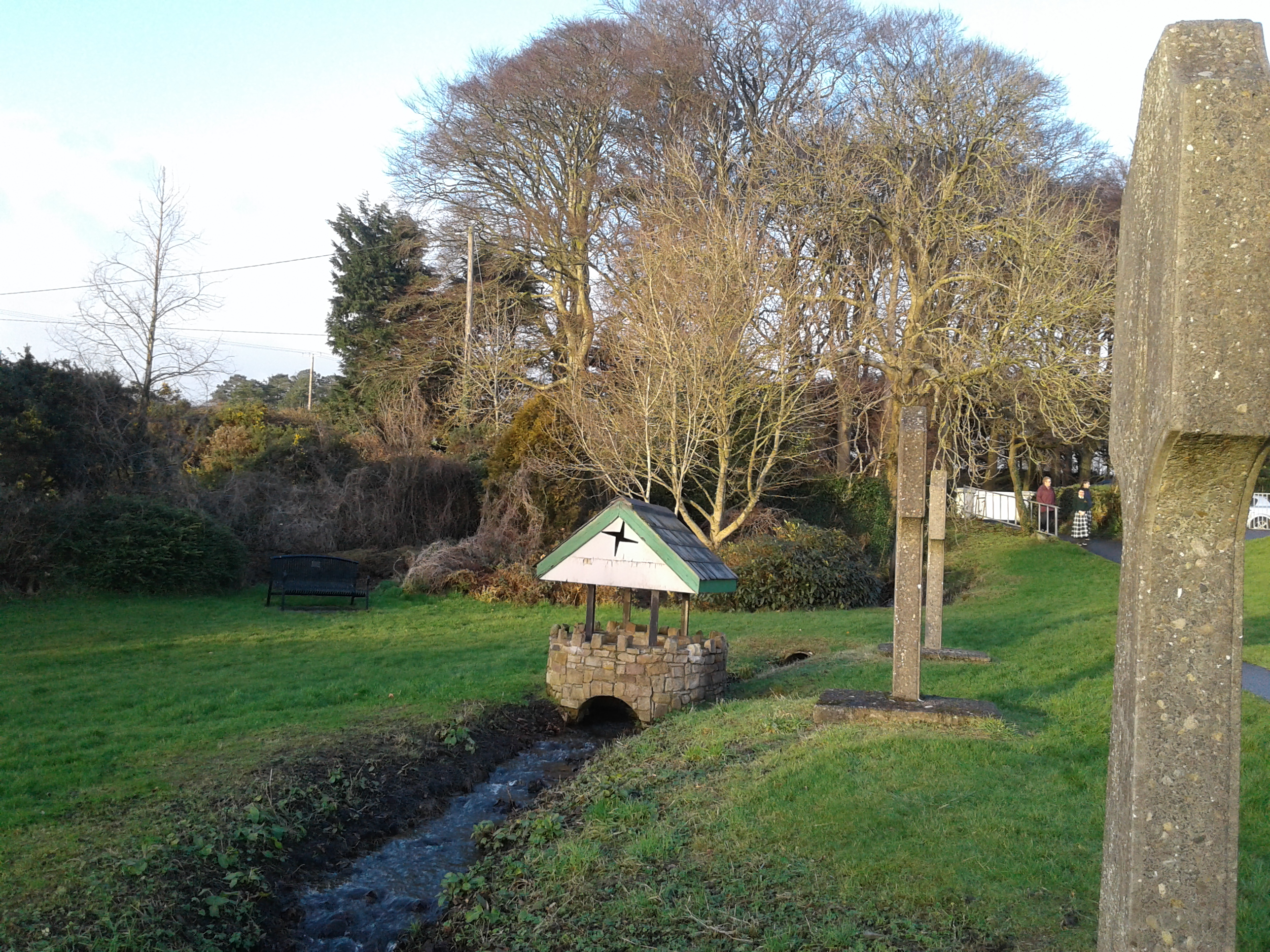
Still not at ease with the decision, Brigid went outside and sat near the holy well. Something urged her to look deeply into its dark waters, recalling as she did so that imagination dwells in the dark places. Brigid picked up a tiny stone and dropped it into the well. Down, down it fell, until a small splash in the deep told her it had reached the water. But there was still nothing to be seen in the well’s depths. She picked up another stone and dropped it into the well. Just at that moment the noonday sun, from its highest place in the sky, illumined the water where the stone had struck. Brigid saw tiny circles rippling out from where the stone had pierced the water.

In the depths of her own imagination, Brigid saw a circle widening. She thought about this: “Because it’s never been done before does not mean it can never be done.” And it was so. Kildare become a monastery for both men and women, drawn by the depth of Brigid’s holiness.

Seeking a meaning for the word lodestone I notice another word: lodestar. This refers to the star by which a ship navigates, usually the pole star. Symbolically it refers to a guiding principle. This illumines something for me, shining into the wells of legend and story that flow around Brigid’s life. Under the tales there is a guiding principle that will illumine our lives if we look deeper.

What was the lodestar of Brigid’s life, the star by which she navigated the uncertainties and challenges that faced her each day

In another legend, a sea creature in great danger had cried out to Brigid for help and she came to its aid. Brendan the Navigator was much offended and asked Brigid why the creature did not cry out to him instead.

“What do you think of when you are out in your boat, Brendan?”

He answered that he thought about the waves, the tides, the movement of the fish, the weather… all the things a fisherman must be aware of….

Brigid said to him, “From the first moment I met the Christ, my thoughts have never left him. That is why the sea creature called to me instead of to you.”

Such focus is important in our lives. I have to admit to Brigid how easily I lose focus, forget the One who began this work in me, let the Holy One slip from my gaze, from my path, from my heart. I realized that it is the fire of a passionate love for the Holy that has been lit within me, a fire I must tend faithfully. A fire tender must first of all take care that the flame of her love burns bright. All else, for each one of us, flows from that.

Weaving Light on a Darkening Planet

What is it about January and especially the Feast of the Epiphany that sends us into the heart of our lives with questions? What is my deepest desire for this New Year? What star am I to follow? How can I, like Brigid of Kildare, FOCUS on what matters most?

Artwork by Jan Richardson

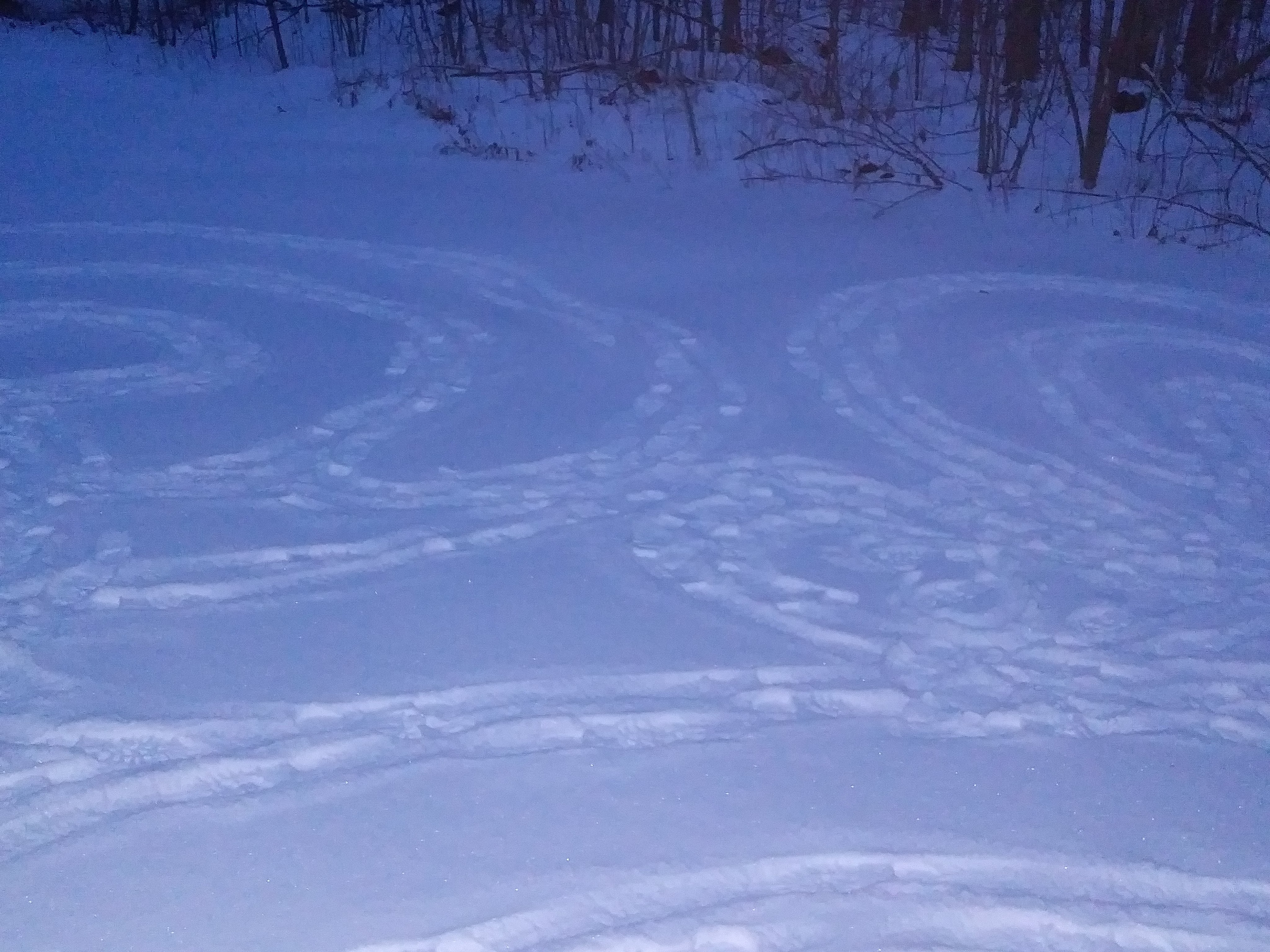
When a snowfall created a white wonderland around my home, I paced out a snow labyrinth, with three intersecting spirals. I walked it, holding my confusion, asking, “What am I to do? Where shall I focus my energy?What is most important in my life?”

I reached the heart centre of the labyrinth, stood listening, still unsure. Then as I retraced my steps, an answer arose, so simple I might have dismissed it… the labyrinth itself showed me. Choose from your heart centre. What do you most desire?

I, and those who share my longing, desire a new spirituality for our time, one that recognizes that from the beginning, evolution has been a spiritual process. At the heart of our Universe is Love. To live from this understanding calls for strength courage to hold to our trust in a Universe that is permeated with Divine Love

As the ancient weavers worked at their looms, they created and shared stories that wove meaning through their lives. The fragments of these tales that still remain reveal their understandings of love, of wisdom, of darkness, of suffering. Remembering these tales lends enchantment, as well as clarity as we sit down at our looms and choose the coloured yarns for the weaving of a spirituality for our time.

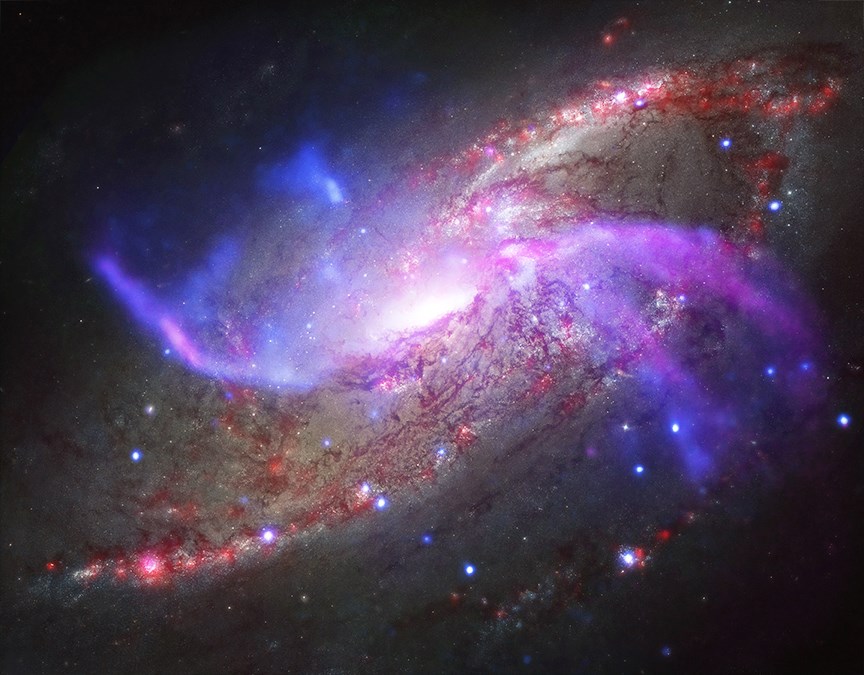
We know what we are about, our hands are strong, supple, as we select the shades, the textures, the combinations that harmonize best. We include the dark threads as well as the golden, the soft fibers as well as the tough. We know this weaving requires it all… the warm rose madder of love, that stretches across the universe for three trillion miles in a NASA photograph… the gold of wisdom, polished to glowing through times of suffering and loss… the deep purple threads that remind us that 96% of the universe, including ourselves, dwells in darkness. Invisible threads of beauty wind themselves into the spaces between the weaving: music, song, dance, poetry, stories, the threads of the relationships that give meaning to our lives… Our shuttle moves with ease between ancient wisdom, and the edges of mystic knowings offered by today’s physicists.

The old Scottish tale: “The Stolen Bairn and the Sidh” is a story that never fails to inspire me anew to commit my life to what matters most.

By the fireside of an ancient gypsy woman, there sits a young woman, barely twenty. Exhaustion and grief have bowed her, stolen light from her lovely sea-green eyes. For weeks, she has been wandering the moors, knocking on every croft door, walking through towns, seeking everywhere for her small son. His father is dead. The little boy is all she has left in the world and she loves him desperately. This gypsy woman, known for her deep wisdom, is her last hope.

The old woman stands, takes a handful of dried herbs from a cauldron at her side, throws them on the fire. After studying the dim patterns of smoke, she reaches for the young woman’s hand. Holding it between her two gnarled ones, she speaks gently: “Prepare yourself for great sorrow. Your child has been taken by the Sidh, the fairy folk of Ireland. What goes into the Sidhean seldom emerges.”

The young woman begins to weep. “I may as well die, for without my child, I have nothing to live for.”

“Do not despair. I see one hope. The Sidh have a great love of beautiful things; yet, for all their cleverness, they are unable to create anything. They must steal or bargain for what they desire. If you could find an object of immense beauty, you might be able to bargain with them to regain your son.”

“But how shall I get inside their Sidhean?” the woman asked.

“Ah,” said the gypsy. “You shall need a second thing of great beauty to bargain your way inside.”

Then the gypsy woman gave her directions to find the Sidhean, blessing her with a protection against harm by fire, wind, water and earth. The young woman slept deeply that night. When she wakened, the old Gypsy woman and all her people were gone, and the place of encampment was an empty field.

The young woman drank water from a stream, ate some bread given her by the gypsies. Then she lay in the grass and wept. How could she do this impossible thing that was asked of her? After a time, the flow of tears dried, and a light wakened within her. She thought: “ I shall need not one but two things of incomparable beauty.” She set her mind to remembering all the lovely things she had heard about. Of all, she chose two: the white cloak of Nechtan, and the golden harp of Wrad. 

With sudden clarity, she knew what she must do. She stood, and began walking towards the sea.

She clambered among the rocks at the shore, gathering the down left by the ducks. And the blessing of the gypsy protected her from harm by the waves, the wind, the sun’s fire and the sharp rocks.

She sat on a large stone to weave the down into a cloak. She cut a strand of her hair with a sharp rock. Using her golden hair as thread, she wove a pattern of fruits, flowers and vines through the cloak’s hem. The cloak was so beautiful it might have been a white cloud fallen from the sky. She hid the cloak behind a gorse bush, then walked the shoreline until she found a frame for her harp. The large curved backbone of some creature of the sea was just the right size and shape. With strands of her hair, she tied the strings to the frame, then tightened and tuned them.

The lovely melody she played caused the birds of the air to pause in mid-flight to listen.

She wrapped the cloak around her. Carrying her harp, she out for the Sidhean.

A Sidh woman, arriving late, rushing towards the opening in the hill, saw her. Mouth agape, eyes burning with greed, the fairy gazed at the cloak. A bargain was struck. The fairy woman allowed her to enter the Sidhean in exchange for the cloak. The other Sidh folk were so enthralled at the sight of the fairy woman wrapped in the cloak that they did not notice as the young woman walked into the throne room. She stood before the kIng who was seated on his throne. She began to play..

The king’s eyes grew wide in amazement, then narrow in greed.

 “I have many harps,” said the King, pretending disinterest,yet I have a mind to add your harp to my collection. What will you take in exchange for it?”

The young woman said,“Give me the human child you have here.”

The King whispered to his servants who brought a great cauldron of jewels. They poured the shining gems at her feet. Not bothering to look at them, the young women gazed steadily at the king.

“Only the child,” she said. The servants came a second time with a cauldron of gold pieces. Again she did not look. She played on her harp a tune of such love and longing that the King was overcome.

The servants were sent out and returned carrying the child. When he saw his mother, he gurgled with delight, and stretched out his arms to her. Letting the harp be taken from her, she lifted her arms to receive him.  Then she walked with him out of the Sidhean.

In this new year of 2026, a question rises with urgency. How may my life, how might your life, offer the incomparable gifts of great beauty: compassion, light and hope to others in the midst of planetary darkness? Might I, might you, begin each day asking that same question?

Perhaps we shall find, as Rilke suggests, that we are living into the answer….

Perhaps, like the young mother in this tale, we have what we need within us: in our imagination, our heart, our very essence.

Seeking Guidance in Our Time of Chaos

In JRR Tolkien’s Lord of the Rings, Gandalf has just revealed to Frodo that he must accept responsibility for a ring of power left to him by Bilbo. Gandalf continues, “This is the Master-ring, the One Ring to rule them all. This is the One Ring that (the Dark Lord) lost many ages ago, to the great weakening of his power. He greatly desires it– but he must not get it.”

Frodo sat silent and motionless. Fear seemed to stretch out a vast hand, like a dark cloud rising in the East and looming up to engulf him. “I wish it need not have happened in my time,” said Frodo.

So do I,” said Gandalf, “and so do all who live to see such times. But that is not for them to decide. All we have to decide is what to do with the time that is given us. And already, Frodo, our time is beginning to look black.”

Remove the wrappings from Tolkien’s tale. Its heart speaks to us. Fear “like a dark cloud rising in the East” engulfs our planet with a series of climate crises, wars, disasters. We hear ourselves echoing Frodo’s words: “I wish it need not have happened in my time.”

To decide that will require wisdom as well as courage. Yet we also need a sense of hope, as well as sources of solace…. This I wish to offer especially in one area of our current darkness: the depredation of our planet, Gaia. And for this I turn to poets who, as Teilhard de Chardin has written, also serve us as mystics and philosophers. To find hope in Gaia even in the midst of our suffering, it’s good to remember the words of Kahlil Gibran in The ProphetWhen you are sorrowful, look again in your heart, and you shall see that in truth you are weeping for that which has been your delight.

The poet Alfred K LaMotte reminds us that even now Gaia has delight to offer us, to sustain us:

YOU ASKED

When you asked,

How can I face

such a dark world?

the answer was all around you.

The wands of pine

in rain-laden breeze answered,

bell-throated, blackbirds

ringing over the wetland

answered, stars

floating on a still pond

answered,

dancing

snow of milkweed,

pearl-eyed mushrooms

seeing through midnight

in the forest answered:

This world is not the seat of sorrow.

This world is sunlight

playing in a risen mist

over the fountain of beauty.

The seat of sorrow is your heart

aching, thirsting

for its own illumination.

But the healing is easy.

Turn your gaze around

and see into your source.

You are that fountain, that

refraction of prism’d beauty.

Listen to the raindrop fall,

how it finds its way home,

as fallen things do,

to the hidden spring

under pungent green moss

where it was born.

Even the raindrop answers,

Yes.

Jude Currivan in “The Story of Gaia” describes a mystical moment of beauty and wonder during a solar eclipse:

On August 1, 2008, together with some fellow travelers, I climbed one of the high peaks of mount Huashan, located about 120 kilometers from the city of Xian in China, to witness a total Solar eclipse. Across from me was another of the five summits of this sacred mountain.

With their rocks delving deep into Gaia and their peaks reaching high to the heavens, mountains have held spiritual significance for millennia, inviting pilgrims to undertake journeys of inner and outer discovery and revelation.  Indeed, the Chinese phrase for pilgrimage, h’ao-shan chin-hsiang, means “to offer respect to a mountain.” And from ancient times this particular massif, carved from a single huge block of granite, and the precipitous and dangerous paths to its crests have held especial meaning, offering hard-won opportunities for insight and guidance.

Peaks of Mount Huashan

Its five-peaked shape spreads open like the lotus after which it’s named – symbolizing a flower that rises from its roots in mud, through water, to open its blossoms to Sol. Representing purity of heart and mind, the lotus and thus the mountain embodies the sacred seat of Buddha, as attested to by the many shrines and temples adorning its flanks and heights.

After a spectacular cable car ride to near the top of the peak and a steep climb to its crest, we arrived in the late afternoon of a beautiful, warm late-summer day. In the pale blue sky above the mountain, Luna in her fullness was slowly but inexorably extending her shadow over the disk of Sol.

One small cloud was visible in an otherwise clear sky.  But as the eclipse continued to proceed to its few minutes of totality, when Luna completely covered Sol, the arc of their combined path, to my consternation, dipped behind the cloud.

After journeying so far to witness one of the most glorious of cosmic phenomena, it seemed that I was destined for it to be out of sight and only to sense its occurrence.  So, I closed my eyes, aiming to attune with the coming few minutes of totality, when Gaia, Sol, and Luna perfectly aligned.

With my conscious mind having surrendered to whatever I might experience, I had no further expectations. A few moments later, though, I heard … a message to “open your eyes.”

When I did, I literally began to shake with emotion and tears began to flow down my face. My gaze took in an amazing scene. Across the valley beneath me and upward to the pointed mountain peak beyond, the disk of Sol was now exactly covered by that of Luna. Fully clear of the small cloud and with no sunlight to reflect off Luna’s face, the total eclipse created a perfect circle of utter blackness against the backdrop of bright sky.

Of itself, this incredible sight is one of the most extraordinary phenomena of our Soular System. Yet, in a further miracle, the eclipse appeared almost impossibly poised: perfectly balanced, exactly and only for its few minutes of totality, on the very tip of the mountain.

This trinity of Sol, Luna, and Gaia experienced uniquely, only at this precise moment and at this exact vantage point, and shared only with my fellow travelers and a few young and local Chinese people was, as yet, the most wonder-full sight of my life.

It was as though the galaxy had sent an emissary to remind me of the vast black hole at its center and even, perhaps, as a sense of connecting to its sentience through the totality of the eclipse.

I watched this miracle in silence, along with the world around us that also seemed spellbound, as, in their cosmic dance, Sol and Luna, majestically sashaying together, slipped behind the peak. Moments later, now hidden from our view, as they silently parted to go their separate ways until their next communion, the sky behind the mountain crest before us exploded into light.

Solar eclipses as seen from Gaia certainly appear like nothing else in our Soular System and may be exceedingly rare or even unique throughout our galaxy and even entire Universe. The striking image of what black holes might look like when seen up close, may be nearest to this celestial phenomenon that occurs with awe-full regularity a few times every year. It’s a vision that on a profound level inspires in me a sense of the “black whole” of no-thingness and yet al-thingness.

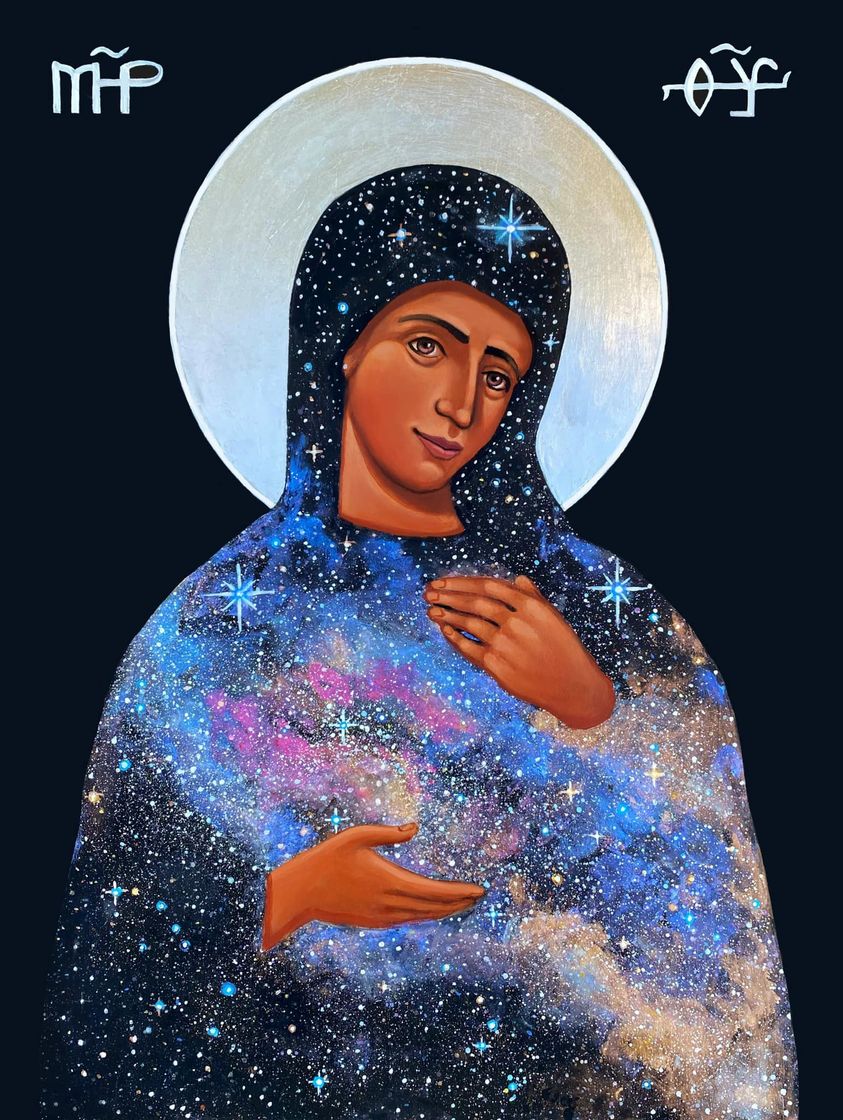
Mary, Mother of Jesus, Who Are You?

Advent Four December 2025

If you grew up Catholic in the years before the Second Vatican Council, chances are Mary was at the very heart of your faith. You prayed the “Hail Mary” many times daily; you sang hymns to Mary as you walked in May processions carrying flowers to decorate her statue; in every trouble and doubt, in every dark moment of your own life, you turned to her as to a mother whose love for you was unconditional. You probably knew by heart the “Memorare”, a prayer to Mary that says, in part, “Remember…Mary, that never was it known that anyone who fled to your protection, implored your help or sought your intercession was left unaided…”

At the call of Pope John 23rd, 2600 Roman Catholic Bishops gathered in Rome for the Second Vatican Council in the mid-1960’s. Believing they were restoring a balance, they invited Mary to step from her throne, and guided her gently to a place among the faithful, the followers of her son, Jesus. The “excesses” of Marian devotion were curbed… and then what happened?

Over the past sixty years since the closing of the Vatican Council, we have seen a burgeoning of interest in the “Sacred Feminine”; a recovery of ancient stories of the Goddess; archaeological finds that create renewed interest in the time when the Sacred One was honoured as a woman; an explosion of writing among theologians, historians, cultural storytellers, seeking to understand the power and presence of “Mary” in the Christian story. I will cite a few here: The Virgin by Geoffrey Ashe; Missing Mary by Charlene Spretnak; Untie the Strong Woman by Clarissa Pinkola Estes and Truly Our Sister by Elizabeth Johnson.

Though I am no theologian, I have a consuming interest in the many aspects of this mystery. What I glimpse is this: the human heart longs for a divine mothering presence. Ancient cultures honoured a feminine divine who over millennia was called by many names: Isis in Egypt; Inanna in Sumeria; Ishtar in Babylon; Athena, Hera and Demeter in Greece, Anu or Danu among the ancient Celts; Durga, Kali and Lakshmi in India; for the Kabbalists, Shekinah; for the gnostics, Sophia or Divine Wisdom. Christianity had no “Mother God” to put in the place of the Goddesses whose worship it was determined to eradicate. Geoffrey Ashe’s theory is that Mary’s gradual ascension in Christianity was not an initiative of Church Leadership, but rather a response to the hunger of the early Christians for a sacred feminine presence.

Mary became for us an opening to a loving feminine sacred presence. Or, put another way, a loving sacred feminine presence responded to the cries of her people when they called her “Mary”, just as that presence had responded over the millennia to other names cried out in love or sorrow or desperate need.

Over these darkening days as we descend to the longest night of the year at the Winter Solstice, Mary will be our companion. We reflect on her pregnancy, her waiting, her uncertainty, the doubts of those who love her, the trust that sustains her “while she opens deeper into the ripple in her womb…”

This is profound mystery. For Mary. For each one of us who carries the Holy within us, seeking a place of birth. We walk the dark road, with Mary, in trust.

We walk companioned by one who knows our struggles to maintain our trust in the face of inner doubts and outer calamity. We walk with one who loves us and encourages us until we are ready to welcome “the day which will be born from the womb of this present darkness.”

What mystery is “Coming Ashore” inside you?

Advent Three: Becoming Wild Inside

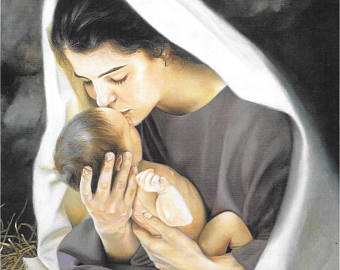
As we prepare to celebrate the Birth of Jesus, the One whose coming brings Light at the darkest time of the year, Mary is a companion, a guide, a friend who walks with us in the darkness.

Mary has left us no written word. The little we know of her from the Gospels is sketchy at best, her appearances brief, her words cryptic. Yet her influence on Christian spirituality is staggering in its power.

Who is this woman, and how has she risen from a quiet life in the outposts of the Roman Empire to become, as the Church proclaims her, “Queen of Heaven and Earth”?

If you grew up Catholic in the years before the Second Vatican Council, chances are Mary was at the very heart of your faith. You prayed the “Hail Mary” many times daily; you sang hymns to Mary as you walked in May processions carrying flowers to decorate her statue; in every trouble and doubt, in every dark moment of your own life, you turned to her as to a mother whose love for you was unconditional. You probably knew by heart the “Memorare”, a prayer to Mary that says, in part, “Remember…Mary, that never was it known that anyone who fled to your protection, implored your help or sought your intercession was left unaided…”

At the call of Pope John 23rd, 2600 Roman Catholic Bishops gathered in Rome for the Second Vatican Council in the mid-1960’s. Believing they were restoring a balance, they invited Mary to step from her throne, and guided her gently to a place among the faithful, the followers of her son, Jesus. The “excesses” of Marian devotion were curbed… and then what happened?

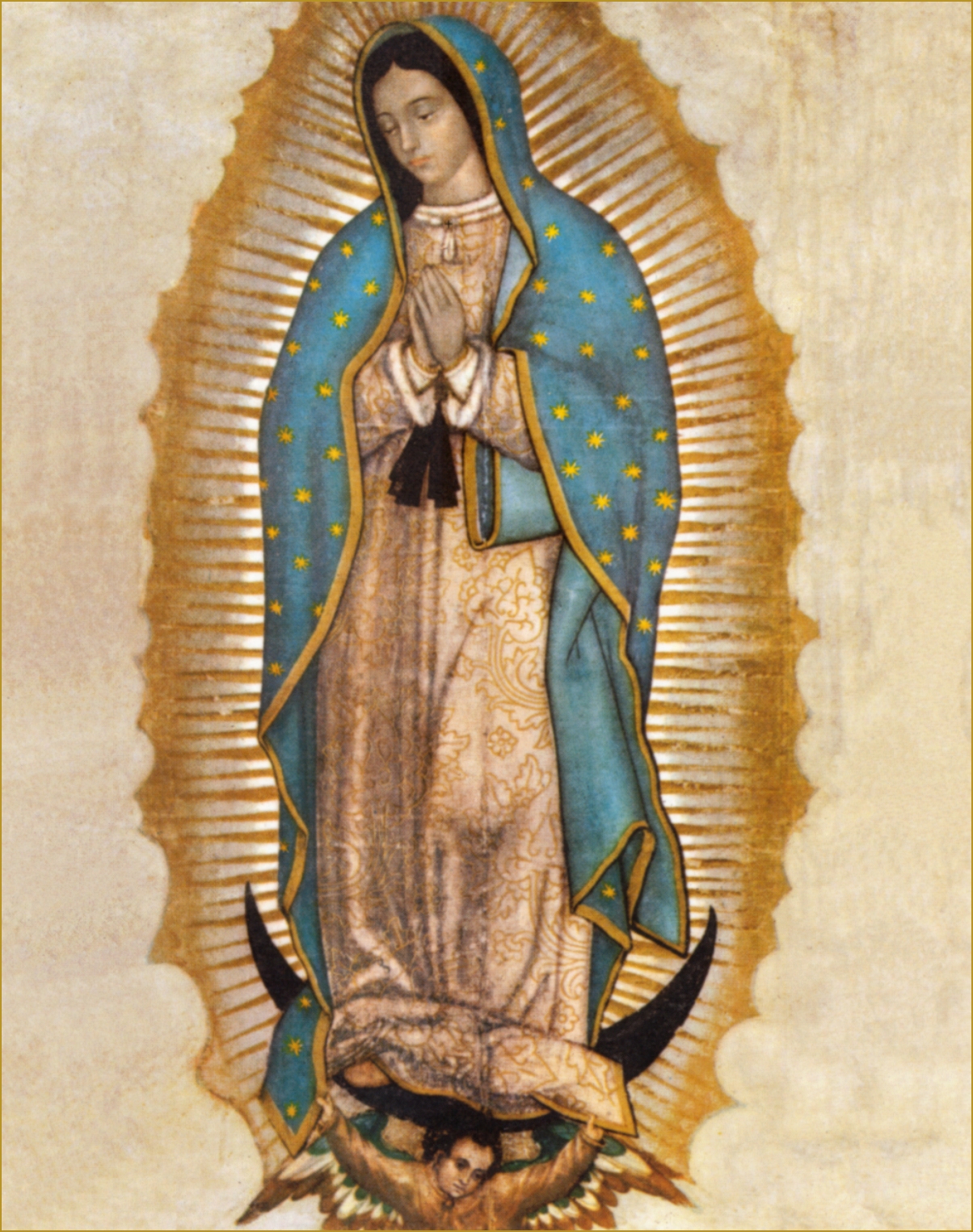
Over the past sixty years since the closing of the Vatican Council, we have seen a burgeoning of interest in the “Sacred Feminine”; a recovery of ancient stories of the Goddess; archaeological finds that create renewed interest in the time when the Sacred One was honoured as a woman; an explosion of writing among theologians, historians, cultural storytellers, seeking to understand the power and presence of “Mary” in the Christian story. I will cite a few here: The Virgin by Geoffrey Ashe; Missing Mary by Charlene Spretnak; Truly Our Sister by Elizabeth Johnson and Untie the Strong Woman by Clarissa Pinkola Estes, a collection of stories honouring Mary as “Our Lady Of Guadalupe,” beloved in Latin America where in the 16th century Mary, in the guise of a Latino woman, appeared to Juan Diego, Today, December 12, the feast day of Our Lady of Guadalupe is celebrated in Mexico.

Our Lady of Guadalupe

Though I am no theologian, I have a consuming interest in the many aspects of this mystery. What I glimpse is this: the human heart longs for a divine mothering presence. Ancient cultures honoured a feminine divine who over millennia was called by many names: Isis in Egypt; Inanna in Sumeria; Ishtar in Babylon; Athena, Hera and Demeter in Greece, Anu or Danu among the ancient Celts; Durga, Kali and Lakshmi in India; for the Kabbalists, Shekinah; for the gnostics, Sophia or Divine Wisdom. Christianity had no “Mother God” to put in the place of the Goddesses whose worship it was determined to eradicate. Geoffrey Ashe’s theory is that Mary’s gradual ascension in Christianity was not an initiative of Church Leadership, but rather a response to the hunger of the early Christians for a sacred feminine presence.

How it came about is less interesting to me than the reality that Mary became for us an opening to a loving feminine sacred presence. Or, put another way, a loving sacred feminine presence responded to the cries of her people when they called her “Mary”, just as that presence had responded over the millennia to other names cried out in love or sorrow or desperate need.

Over these darkening days as we descend to the longest night of the year at the Winter Solstice, Mary will be our companion. We reflect on her pregnancy, her waiting, her uncertainty, the doubts of those who love her, the trust that sustains her “while she opens deeper into the ripple in her womb…” as John O’Donohue has written.

This is profound mystery. For Mary. For each one of us who carries the Holy within us, seeking a place of birth. We walk the dark road, with Mary, in trust.

We walk companioned by one who knows our struggles to maintain our trust in the face of inner doubts and outer calamity. We walk with one who loves us and encourages us until we are ready to welcome “the day which will be born from the womb of this present darkness.”

Where does our story touch Mary’s? Where are the meeting points?

In his poem, “Annunciation”, John O’donohue offers some hints:

Cast from afar before the stones were born

And rain had rinsed the darkness for colour,

The words have waited for the hunger in her

To become the silence where they could form.

The day’s last light frames her by the window,

A young woman with distance in her gaze,

She could never imagine the surprise

That is hovering over her life now.

The sentence awakens like a raven,

Fluttering and dark, opening her heart

To nest the voice that first whispered the earth

From dream into wind, stone, sky and ocean.

She offers to mother the shadow’s child;

Her untouched life becoming wild inside.

Shall we make the offer that is asked of us? Will our hunger “become the silence” where the words of invitation take form? When our hearts open, will they also become a nest for a new birthing of the Holy?

These are questions to ask in our daily contemplative time… From Jean Houston, we have learned that now there is no time for us to modestly refuse any call that smacks of greatness. The urgent needs of our time require a “yes” to the conception, followed by the birthing, of newness.

Here are Jean’s words, reflecting upon the call of Mary, our call

.Just think of the promise, the potential, the divinity in you, which you have probably disowned over and over again because it wasn’t logical, because it didn’t jibe, because it was terribly inconvenient (it always is), because it didn’t fit conventional reality, because… because… because….

What could be more embarrassing than finding yourself pregnant with the Holy Spirit? It’s a very eccentric, inconvenient thing to have happen.

(Jean Houston in Godseed)

Eccentric. Inconvenient. Perhaps. But nonetheless it is our call. Mary’s story gives us the courage to say “yes” without knowing where that “yes” may lead. It is enough to know that certainly our own life will become, like Mary’s, “wild inside”.

Embracing the Darkness of the Cailleach

Dolores Whelan http://doloreswhelan.ie teaches us that it is no small task to integrate the divine energy of the sacred feminine within oneself. We only do one piece of the work but each piece joined together with the others creates a quantum shift.

Dolores said that the crime is to believe that we have no power. We need to ask, “What choices do I have here?” If we say, “there’s nothing I can do,” Dolores responds, “OH YES THERE IS!”

In her article, “Brigid: Cailleach and Midwife to a New World”, Dolores how Brigid assists us in this great work which is our great work.

Reflecting on the turmoil present in the world today it is clear to all but those steeped in denial, that all is not well. It seems that something ails us humans; something that causes us to live in ways that disrespect our mother, the living earth, and all our relatives. We ask what is it in us humans that creates such a restless world where there is little sense of belonging, nurture or home and which causes so many of the species with which we share this planet to suffer?

The exclusion of the Feminine energy in our naming and understanding of the Divine is reflected in a corresponding absence and devaluing of feminine energy in all aspects of life in western society. The devaluing and exclusion of the feminine energy over the past centuries has created a distorted story about life which has resulted in a world whose shape and vibration creates disharmony.

So how do we find our way back to a more harmonious way of life? If we know what is missing and what ails us, it may be possible for us to make the journey back towards wholeness and health.

At this time many people are becoming aware of the wisdom of the feminine. As this happens, the absence of genuine feminine energy present in most institutions, both religious and secular, throughout western culture, becomes obvious. To include the presence of the divine feminine energy in creating a world whose shape is more wholesome requires a fundamental reclaiming of the essential role of the feminine in all aspects of life. In order to create change within the physical world and in our society it is necessary to change the dreams and stories held within the imagination of a society.

Reconnecting with and remembering the spirit and archetypal energy of Brigid, in both her Goddess and saint manifestations, is an essential task of this renaissance. Brigid, although normally associated with the maiden and mother aspects of feminine energy, is also expressed in the cailleach form, as indicated in the prayer “Molamid Brid an mhaighean; Molamid Brid an mhathair; Molamid Brid an cailleach” (Praise to Brigid, the maiden, the mother, and the crone).

What then is the energy associated with the hag, crone, or cailleach aspect of the divine feminine? The cailleach is the embodiment of the tough mother-love that challenges its children to stop acting in destructive ways. It is the energy that refuses to indulge in inappropriate personal or societal dreams. It is the energy that will bring death to those dreams and fantasies that are not aligned with our highest good. Yet, this cailleach energy also will support the emergence and manifestation in the world of the highest and deepest within us. It will hold us safely as we embrace the darkness within ourselves and our society. It is an energy that insists that we stand still, open our hearts, and feel our own pain and the pain of the earth. This is the energy that teaches us how to stay with the process when things are difficult. This energy will not allow us to run away! Her way of being is a slow, inwardly focused way, with minimum outward activity: a way that values times of active waiting that pays attention and allows life to unfold.

The Cailleach’s way of being is a slow, inwardly focused way, with minimum outward activity: a way that values times of active waiting that pays attention and allows life to unfold.

An essential part of the journey that all the great heroes and heroines in world mythologies undertake includes facing and embracing the energy of surrender, darkness, and death. The hero or heroine learns the next step required in their outer world journey only by submitting to and being initiated into the dark world of the cailleach.

Through this initiation the mature masculine power can emerge and lead each one to find their true path. When this happens the action that follows will be in the service of the true feminine and bring forth wisdom and compassion creating new life, vitality, and sustainability.

Because western society is currently dominated by the young masculine energy, present in both men and women, characterized by its “can do” attitude, there is an urgent need for each of us to make this heroic journey with the cailleach, so that we will become agents for the transformation of our society.

To Dolores Whelan’s wisdom about Samhain, I add here the morning prayer from “Singing the Dawn.” Elspeth, the Cailleach of the novel, recites this prayer to honour Sophia in the darkness of dawn:

“Singing the Dawn” Anne Kathleen McLaughlin. Borealis Press, Ottawa, Canada, 2022)

http://borealispress.com

Welcoming Sophia at Samhain

The call to awaken to the presence of Sophia comes at a time when much of our planet struggles with darkness. Live-streaming news gives us an immediate knowing of disasters, disease, wars, weather-related devastation that can be overwhelming.

Yet the greater the darkness, the greater is our awareness of the need for light, the deeper our appreciation for it, the more compelling our own call to be co-creators of light.

As these shorter days in autumn prepare us for the yearly plunge into winter’s darkness, we are entering into the sacred time of Sophia. Our ancient ancestors, who knew almost nothing of events beyond their immediate homes, knew about the rhythms of the earth, the apparent movements of sun, moon and stars, the cycle of the seasons, with an accuracy of observation that fills us with awe. The early peoples of Ireland were so deeply attuned to the shifting balance of light and darkness that they could build a monument to catch the first rays of sunrise on the Winter Solstice. The Newgrange mound in Ireland, predating the Egyptian Pyramids, receives the Solstice light through a tiny aperture above the threshold.

Like the Egyptians and other ancient peoples, the Celts wove their spirituality from the threads of light and darkness that shaped their lives. Their spiritual festivals moved through a seasonal cycle in harmony with the earth’s yearly dance, associating the bright sunlit days with masculine energy, the darker time with contemplative feminine energy. For the Celts, the days we are entering this week, days we name Halloween, All Saints’ and All Souls’, were one festival known as Samhain (Saw’ wane). These three days marked the year’s end with a celebration that served as a time-out before the new year began. The bright masculine season with its intense activity of planting, growing, harvesting, was over. The quieter days of winter were ahead, “the time of darkness, the realm of the goddess where the feminine energy principle is experienced and the season of non-doing is initiated.” (Dolores Whelan: Ever Ancient, Ever New pp. 98-9) www.doloreswhelan.ie

We in the twenty-first century may still draw on this ancient wisdom to live in harmony with the earth as the Northern Hemisphere of our planet tilts away from the sun. We can welcome this time of darkness as a season of renewal when earth, animals, insects and humans rest. Our energy can be gathered inwards to support what is happening deep within the earth and deep within our souls. The energy gathered in this season will be used when the winter has passed and spring has brought new life to the land and the people.

We too can accept the invitation of Samhain to release whatever is not completed at this time, letting go of the light and the activity of sun-time, surrendering ourselves to the restful moon-time, the darkness of holy waiting. Living within the wisdom of the earth’s seasons, we move towards the rebirth of the sun at the Winter Solstice, embracing a journey of deep surrender.

This is Sophia time. Within her sacred cauldron, our lives and our desires for our planet find a place of gestation, a safe darkness where, as with the caterpillar in a chrysalis, the great work of transformation of our souls and of all of life can happen.

Sylvia Shaindel Senensky writes:

We are being called upon by the sorrowing and powerful Dark Feminine to know our own darkness and the profound richness of all dark places, even when they are laden with pain. Through her we know the mystery of existence and the sacredness of the cycles of life. We learn how important the destruction of the old ways is to the rebirth of the new. When she steps into our lives and awakens us, we can be shattered to our core, and we know, as we see the tears streaming down her face, that she too is holding us in her compassionate and loving embrace.

. She is calling upon us, each in our way, to do our inner work, to become her allies, to become the best human beings we know how to be; to allow our creativity, our compassion and our love to flow to ourselves and to all life forms on this planet…. Love attracts love. If we flood our planet with loving and transformative energy, our actions will begin to mirror our feelings. We will come home to ourselves. (Healing and Empowering the Feminine Chiron Publications, Wilmette Illinois 2003)

Let us enjoy this sacred season, this womb-time, as we curl up near the fireside of our hearts. From Sophia’s cauldron, we shall emerge in springtime in an interdependent co-arising with the earth, knowing ourselves renewed in soul, body and spirit

Brigid: Wise Guide for Spiritual Seekers

February 10, 2025

Brigid’s Day is celebrated on February 1st, the ancient Celtic Festival of Imbolc . Known as the one who ”breathes life into the mouth of dead winter,. Brigid has left us no written word. Her earliest biography was written a hundred years after her death by Cogitos, one of the monks of Kildare, the double monastery where Brigid was Abbess of both men and women in fifth century Ireland.

Brigid of Ireland

Ireland is a land of story. The stories woven through and around Brigid’s life are interlaced with the stories of the Ancient Goddess Brigid so that the two have come to be one sacred archetypal presence. This is best illustrated in words overheard a few years ago at a ceremony at Brigid’s Well in Kildare: “Sure and wasn’t she a goddess before ever she was a saint.”

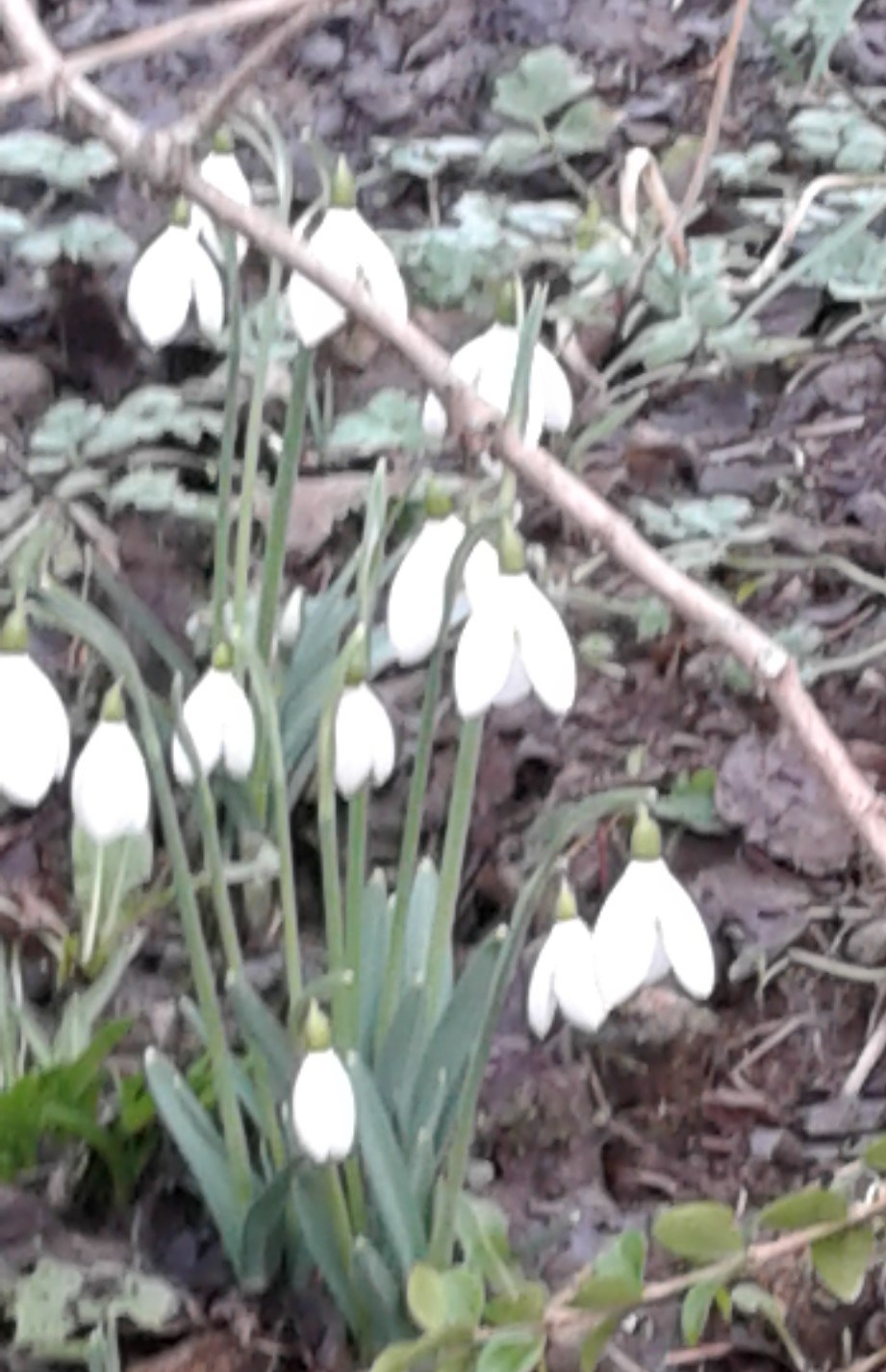
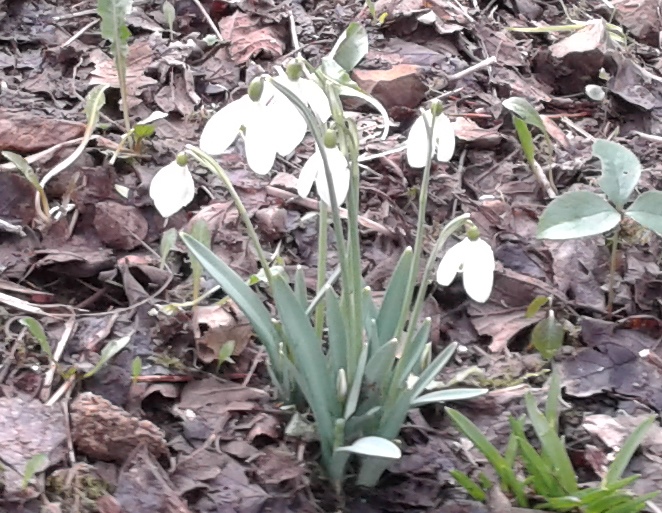
                                                                                                                                                                                                                                                                              In the winter of 2018, I was in Ireland for Imbolc, the Feast Day of Brigid.  Staying in the home of Dolores Whelan, I found in her garden small snowdrops blooming For a Canadian, such flowers in late January appeared miraculous.

snowdrops for Brigid’s Day

Dolores, who is my primary teacher in the ways of Brigid, showed me the hill of Faughart, clearly visible from the upper story window of her home. Faughart is known in legend as the birthplace of Brigid. I had the joy of being present at the Oratory in Faughart on February 1st, Brigid’s Day, for a Ritual of Music and Readings.

In her article, “Brigid of Faughart – Wise Guide for Modern Soul Seekers”, Dolores Whelan writes of coming to know Brigid:

Faughart, near Dundalk ,Co Louth, Ireland is an ancient place filled with a history that is both gentle and fierce. It is a place associated with battles, boundaries and travel. The Sli Midhluachra, one of the five ancient roads of Ireland, runs through the hill of Faughart on its way from the Hill of Tara to Armagh and then to the north coast of Ireland, making it a strategically important place.

However, Faughart is also a place of deep peace, tranquility, beauty and healing, being associated from ancient times with Brigid, Pre-Christian Goddess and Christian Saint. Brigid holds the energy of the Divine Feminine within the Celtic Spiritual tradition. Faughart is the place associated with Brigid, the compassionate woman who heals, advises and nurtures all who come to her in times of need.

People are drawn to her shrine at Faughart because of the deep peace they experience there. Brigid’s peaceful presence can be experienced in this landscape where the ancient beech trees radiate old knowledge and hold a compassionate space for us all.

land, trees, water near Brigid’s Shrine, Faughart, Ireland

On La feile Bhride (Feb 1st) people come in their multitudes! On this special day the shrine at Faughart is thronged with pilgrims who come to invoke Brigid’s blessing on their emerging lives. Brigid is associated with springtime and new life emerging. She is the one who “breathes life into the mouth of dead winter.”

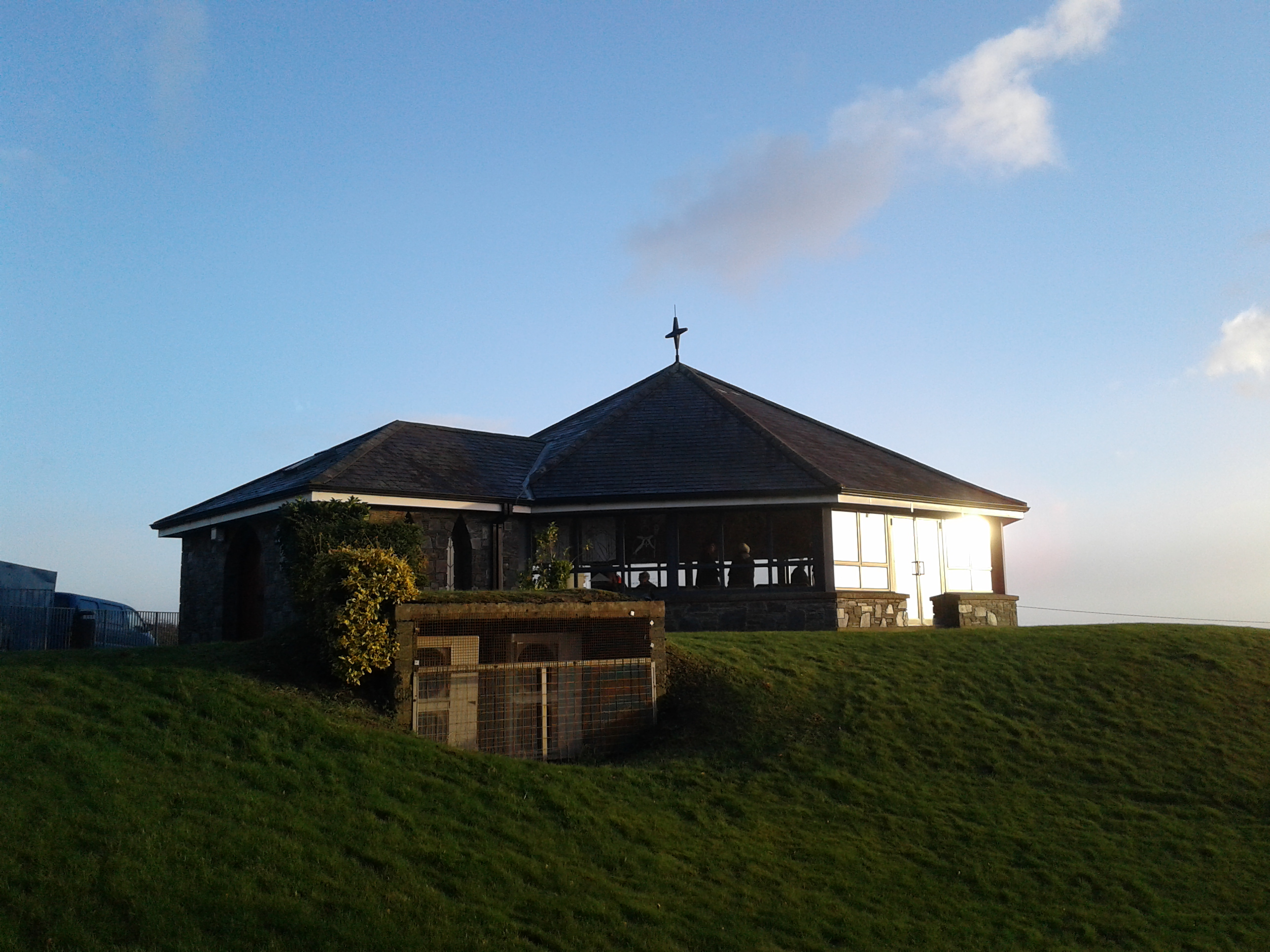
Shrine at Faughart on Brigid’s Feast

I first went to Faughart in 1992 and was amazed by the beautiful energy present there. At that time, I had begun to study the Celtic spiritual tradition, something from which I and so many other people had been disconnected over many centuries. My quest at that time and since then has been to recover some of the riches and wisdom of that ancient tradition. And to ask the question:  “How could this wisdom be integrated into the lives of us modern humans in ways which would create a more balanced and peaceful life for all of the beings on planet Earth”?

While at Faughart in 1992 something deep and ancient stirred in my heart and I have been on a journey with Brigid ever since. In 1993 I went to The Brigid Festival in Kildare, organised by Mary Minehan, Phil O’Shea, and Rita Minehan (Solas Bhride). At this festival these women, in a daring Brigid-like action, re-kindled the flame of Brigid in Kildare. The flame of Brigid had been quenched at the time of the suppressions of the monasteries around the 12th century.

As this took place an ancient part of my soul understood the significance of this prophetic act. My journey into the Celtic spiritual tradition changed and evolved over time, becoming a deeply significant part of my life’s purpose.

It is said that from the moment Brigid learned to know God that her mind remained ever focused on God/Divine. This allowed her to remain connected to God and the heavens while living on the earthly plane. Her great power of manifestation was a result of this ability to be aligned heaven to earth. The strong connection between her inner and outer worlds allowed her to focus her energy onto a particular intention so clearly as to ensure its manifestation in the physical world.

Brigid had the capacity to bring forth new life, to nourish, to create plenty in the crops or an abundance of the milk from cows, and to manifest or create ex nihilo. This gift reflected the true abundance and prosperity that was present in the society she created, a society living in right relationship with the land. Her life and work thrived due to her deep trust in life and because there was a total absence of fear within her.

Slowly, I began to understand that Brigid, the Pre-Christian Goddess and Celtic Christian saint who lived in the 5thCentury in Faughart and Kildare, who embodied wonderful qualities of compassion, courage, independence and spiritual strength was not only a historical figure! I realised that those energies and qualities exemplified by her in her lifetime are still alive in the world and available to me and to all humanity. What a gift it was to realise this! And so the task became how could I access those qualities in myself, embrace them and use them to challenge the dominant thinking of our culture and become like Brigid, a catalyst for change in society.

Brigid challenges each of us to have that same courage; to live our lives with the passion and commitment that comes from trusting our own inner truth and living the integrity of our unique soul journey. She invites us, like her, to breathe life into the mouth of dead winter everywhere we find it in ourselves and in our society. She represents for me the spiritual warrior energy reflected in this ancient triad “The eye to see what is, the heart to feel what is, and the courage that dares to follow.”

Deep thanks to Dolores Whelan for this compelling, insightful reflection on Brigid’s gifts for our time.

To read more from Dolores, go to her website: http://doloreswhelan.ie

Coming to Know Brigid in the 21st Century

Brigid, once only a name to me, has becomes a wise and loving companion, one to whom I turn morning and evening for light and guidance in my life. This fifth century Irish Saint, Abbess of a Monastery in Kildare where men and women lived a consecrated life, first began to interest me when I read Dolores Whelan’s book Ever Ancient, Ever New: Celtic Spirituality in the 21st Century (The Columba Press, Dublin 2006), Dolores writes of Brigid’s ability to manifest abundance, of her generosity and kindness. In these qualities, sometimes shown in miraculous ways, Brigid continues the tradition of loving actions manifested by the pre-Christian goddess Brigid.

Legend says Brigid’s mother gave birth to her on the doorstep of her home, so that Brigid has became known as a threshold person, able to see both sides of an issue while remaining aligned within. Her capacity for peacefully resolving conflicts is a frequent theme in the stories told of her.

Dolores writes that Brigid “has the ability to stand in the gap and remain centred within the uncertainty present in the outer world.” Further,“being centred and aligned with ones deep inner knowing is a quality that each of us can and must develop at this time.” (72)

Another strong gift of Brigid is her capacity for focus. Brigid is said to have told St. Brendan: “Since the first day I set my mind on God I have never taken it away from him and I never will.” (73)

Through Dolores’ writings, I have come to know that Brigid’s qualities are not meant not only to inspire. They are meant to be imitated. Gradually, as I begin to take her way of being into my life, Brigid is becoming a real and active presence for me.

When in February 2014, I invited Dolores Whelan to come to Canada to offer a weekend session on Brigid at Galilee Centre in Arnprior, I met a woman who consciously embodied Brigid’s qualities. When a scheduling conflict arose, Dolores refused to have our weekend plans sidetracked to accommodate another agenda. “I’ve had a Brigid moment,” Dolores told me as she declared we would stay with the planned schedule. “That’s what these women (our 21 participants) have come for.”

In February of 2018, I travelled to Ireland to celebrate the Festival of Brigid. I stayed in Dolores’ home and was enchanted to see, on February 1st, snowdrops blooming in Dolores’ front garden.

?????????????

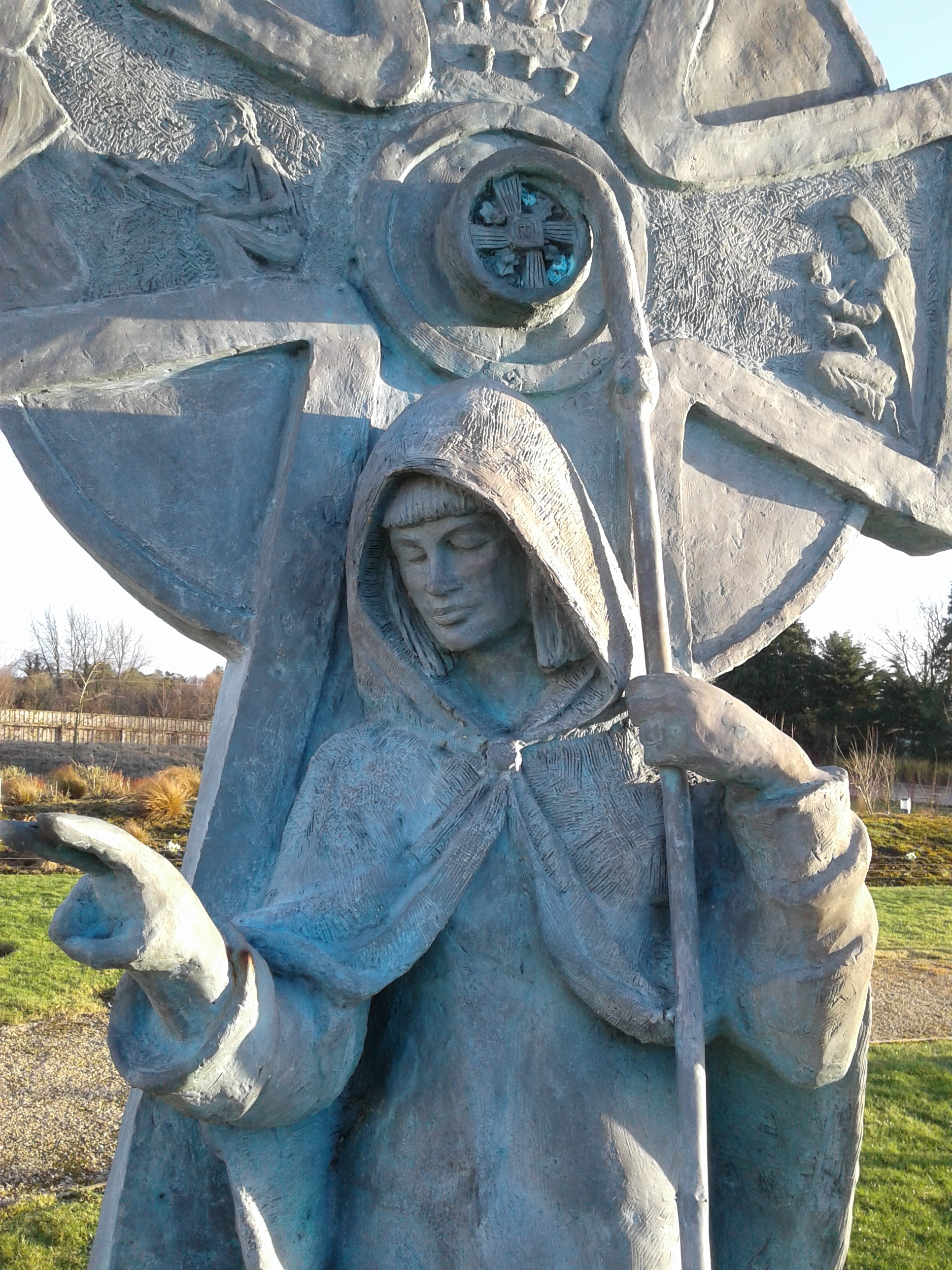
While in Ireland, I visited the beautiful Solas Bhride Centre outside Kildare. I stood before an enormous stone statue of Brigid, her hand raised to signify a Bishop’s Blessing.. I had to bend backwards to look up at her face as I asked her to guide my work in Spirituality. I was deeply moved to hear within me her words of response, as her hand, raised in blessing, seemed to gesture me onwards: Keep on your journey. Go on with your work. Don’t look back.

Brigid’s words continue to inspire me. They goad me on with my writing, my work of teaching, leading retreats and workshops on Spirituality. I continue to make Brigid’s inspiration known through my book “Singing the Dawn” (Borealis Press, 2022). http://www.borealispress.com/BookDetail/rid/1137/Singing%20the%20Dawn

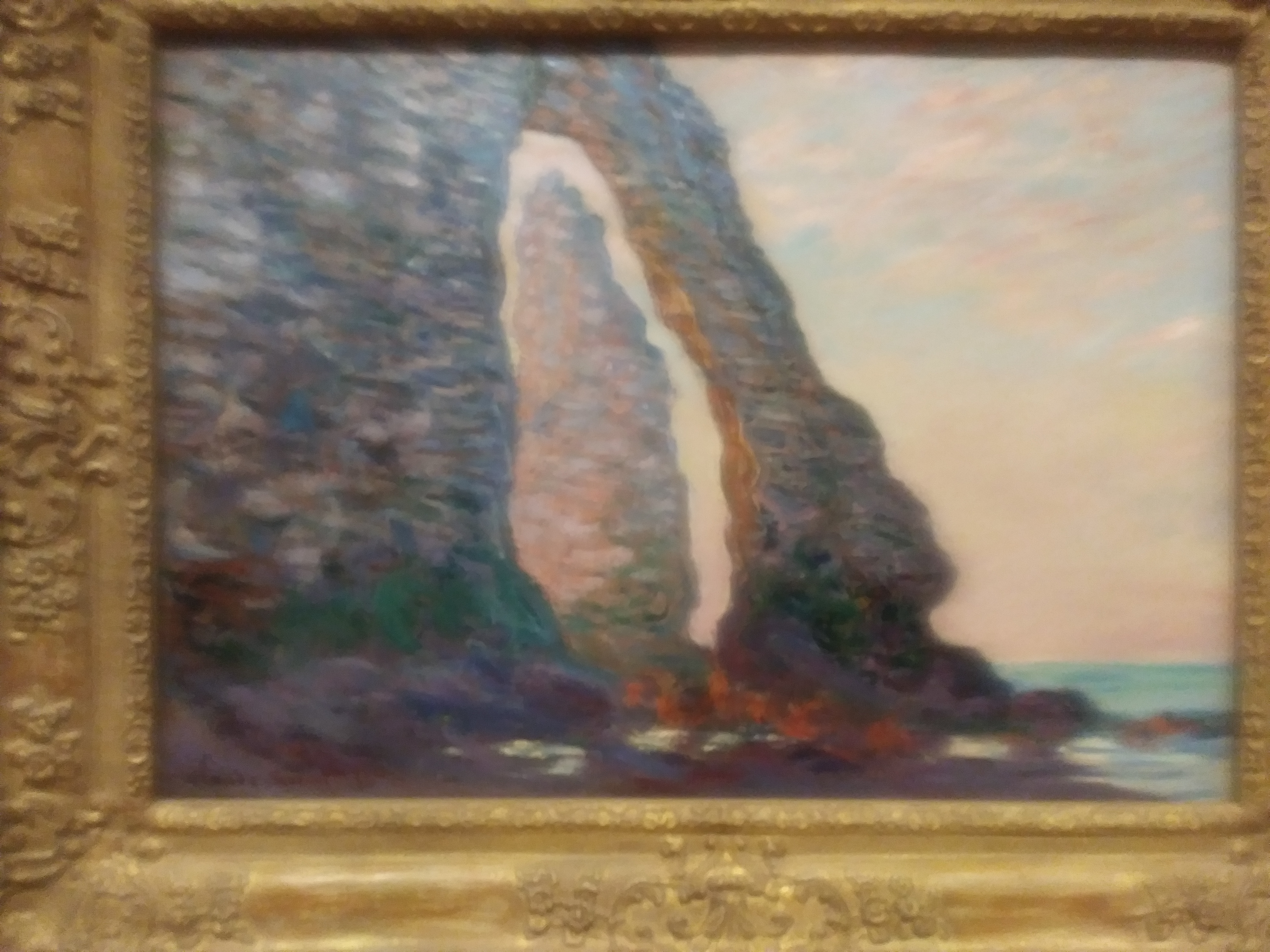
Cover image for “Singing the Dawn” : “Rock Needle Seen through the Porte d’Aval, Etretat, 1886 by Claude Monet
photo from National Gallery of Canada by Anne Kathleen McLaughlin

This novel celebrates Brigid’s inspiration for 21st century women who live in the light of her qualities.

For the past year I have had the grace of spending time each morning and evening with a set of sound recordings:“Healing Journeys with Brigid” created through the voice and violin of Kate Fitzpatrick. https://mythicvoice.ie/brigids-light/

I met Kate in 2018 while I was in Ireland. I find her guided meditations a wonderful way to come close to Brigid who has become a practical support in my daily life. For example, when I requested her help with an Internet breakdown last week, a snow-covered Bell Technician was at my door to repair the outdoor cable and restore my Internet connection within hours of my call for help. Now, that is miraculous!

Yet, Brigid’s guidance goes deeper. During a time of uncertainty, I heard Brigid counsel me to “focus on Sophia.” At times her clear guidance shows me where I have lost direction, or how to seek reconciliation within a difficult relationship, or to offer support to someone struggling.

Revisiting notes I made after working with Kate Fitzpatrick’s visualizations with Brigid, I read:

“Following a wakeful night, I allow Brigid to cleanse my heart, pouring. water over me from the stream that flows beside her. Brigid suggests that rather than blaming myself for taking on too much work, I might focus on how to recover energy after these experiences. Brigid’s advice brings memories of days I spent in Julian’s rose garden in Norwich, resting in beauty and peace after performing the play Julian.”

What I am now experiencing in this quiet companionship with Brigid is the healing I need: a practice of going into stillness before I begin an important task, so that my breathing, my heartbeats, my body become calm..Then I begin my work in a state of deep listening.

This mysterious and loving companionship is one I am coming to recognize as an aspect of Sophia, the Sacred Feminine Presence, to whom my life is consecrated.

awakening to the sacred feminine presence in our lives